Skip to content
Sheet 37 / 64 · Injury settings

Shipyard Worker Injury: What the Law Covers and What It Means for You

Injury settings

National · Updated November 11, 2026

Free Case Evaluation
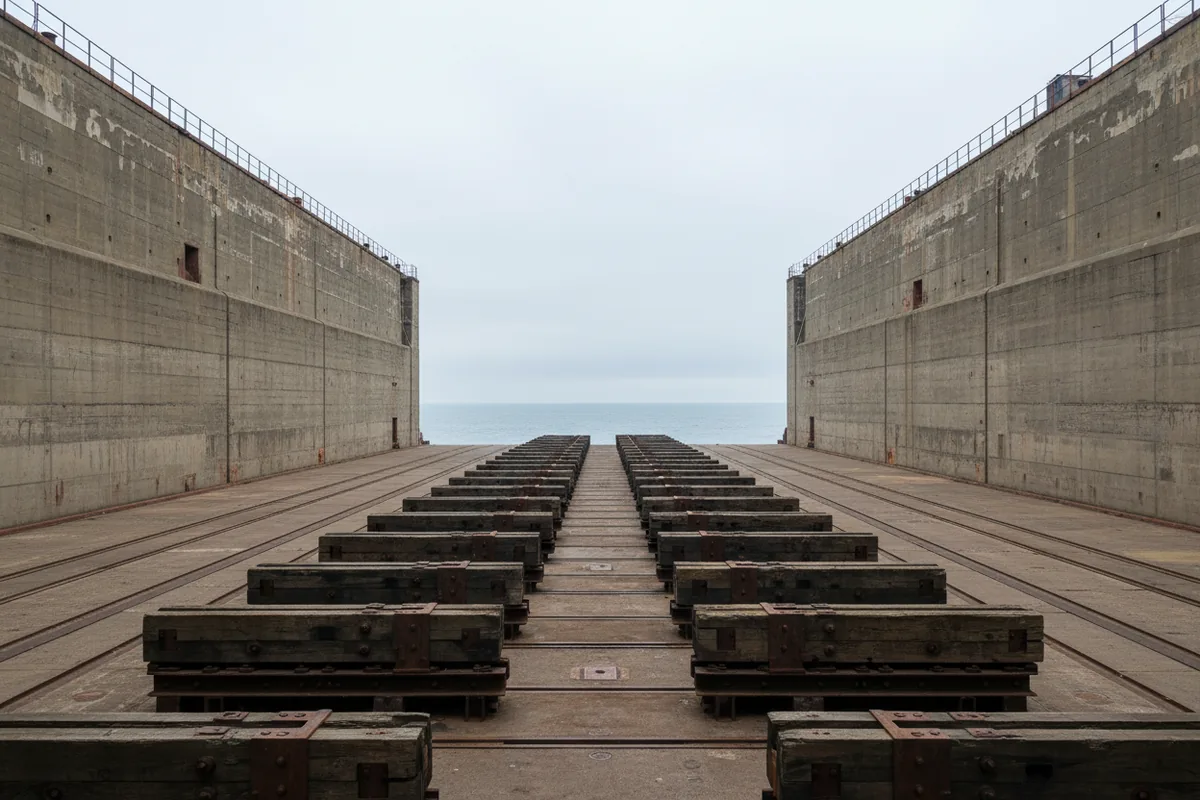
An empty dry dock interior with keel blocks leading toward open harbour water.
Immediate answer

Shipbuilders, ship repairers and ship-breakers are named in the Longshore Act. See which places it covers, the medical care rule, and when a vessel claim is barred.

On this page
  1. Which Workers the Longshore and Harbor Workers' Compensation Act Covers
  2. Where the Act Applies: Dry Docks, Building Ways, and Marine Railways
  3. OSHA's Shipyard Rules and the Hazards They Address
  4. Medical Care Under the Act: What the Employer Must Provide
  5. When a Claim Against the Vessel Owner Is Barred — and When It May Not Be
  6. What to Weigh Before the Facts of Your Injury Are Assessed
  7. Frequently asked questions
  8. Sources

If you were hurt building, repairing or breaking up a ship, a federal law, the Longshore and Harbor Workers' Compensation Act, usually decides your benefits. It names shipbuilders, ship repairers and ship-breakers as covered workers, covers injuries on navigable waters and in places such as dry docks, requires employer-furnished medical care, and limits some lawsuits against vessel owners.

Most people facing a shipyard injury are not asking about law in the abstract. They are dealing with an injury from welding, staging or work in a tight compartment, a paycheck that has stopped or shrunk, and a fear that nobody has explained which system they fall under. Families of an injured worker are often trying to understand the same thing from the outside. This page walks through how the federal law treats shipyard work: who it covers, where it applies, what safety rules govern the yard, what medical care the employer owes, and when a claim against a vessel is not allowed.

Which Workers the Longshore and Harbor Workers' Compensation Act Covers

The Act's definition of "employee" in 33 U.S.C. § 902(3) means "any person engaged in maritime employment," and it names "any harbor-worker including a ship repairman, shipbuilder, and ship-breaker." A covered employee is simply a worker the Act protects. Shipyard trades are not left to argument: the statute lists them by name.

That same definition carves out several groups, including office clerical workers, crew members of a vessel, and people who build recreational vessels under sixty-five feet long or who repair recreational vessels. The recreational vessel exclusion, and several other carve-outs in the same list, apply only "if individuals described in clauses (A) through (F) are subject to coverage under a State workers' compensation law." In plain terms, a worker on a recreational boat is pushed out of the federal Act only where a state workers' compensation law already covers that person. The crew-member exclusion does not carry that condition.

For a shipyard worker, this status question decides which compensation system applies to the injury. A welder on a commercial hull and a worker repairing a pleasure boat can land in different systems even if their tasks look alike. Someone in this position may want to weigh whether their job title, their actual daily duties and the kind of vessel they worked on line up with the statute's words. When those facts are close, a conversation with our attorney can go through how the definition fits the work you actually did. The neighboring rules for dockside work appear on our page about longshore worker injury.

Where the Act Applies: Dry Docks, Building Ways, and Marine Railways

Status is only half the picture. Under 33 U.S.C. § 903(a), compensation is payable "only if the disability or death results from an injury occurring upon the navigable waters of the United States (including any adjoining pier, wharf, dry dock, terminal, building way, marine railway, or other adjoining area customarily used by an employer in loading, unloading, repairing, dismantling, or building a vessel)."

The legal word for this location test is situs, which means the place where the injury happened. Navigable waters are waters used for shipping and travel. A dry dock is a basin or structure that lets a vessel sit out of the water for work on its hull. A building way is the inclined area where a hull is built before launch, and a marine railway is a track system that hauls a vessel out of the water. The statute names all three, so an injury in one of them is in a place the Act reaches.

Both tests usually have to be met: the worker must be a covered employee (status), and the injury must happen in a covered place (situs). Passing one test does not carry the other. Someone injured in a shop building away from the water, for example, may want to weigh whether that area is "customarily used" for building or repairing vessels, because the statute's catch-all phrase turns on how the area is actually used. A worker hurt in the water itself or aboard a structure offshore faces related questions, covered on our page about offshore worker injury.

OSHA's Shipyard Rules and the Hazards They Address

Federal workplace safety rules have their own part for shipyards. Under 29 C.F.R. § 1915.2(a), "except where otherwise provided, the provisions of this part shall apply to all ship repairing, shipbuilding and shipbreaking employments and related employments." Those are the Occupational Safety and Health Administration's shipyard employment rules. Cargo handling at a marine terminal and longshoring aboard vessels fall under separate parts, 29 C.F.R. § 1917.1 and 29 C.F.R. § 1918.1, which matter more to workers at ports and terminals.

OSHA's Maritime Industry overview describes the industry as including "the construction, repair, and scrapping of vessels, as well as the movement of cargo and other materials." The same page lists the hazards it sees: "slips, trips, and falls, machinery and equipment hazards, hazardous chemicals, confined/enclosed spaces, and fire hazards." It adds that "the implementation of controls, procedures, and training help raise awareness of potential hazards and ways to keep workers safe."

For an injured worker, these rules describe what safe shipyard work is supposed to look like. Whether a rule was followed on the day of an injury can be a relevant fact. Still, a safety rule never shows by itself that anyone was at fault; what happened, who controlled the work and why the injury occurred all still matter. A person in this position may want to think about which tasks, spaces and equipment were involved, since those details connect an injury to the rules that govern them.

Medical Care Under the Act: What the Employer Must Provide

The medical rule is short and broad. Under 33 U.S.C. § 907(a), "the employer shall furnish such medical, surgical, and other attendance or treatment, nurse and hospital service, medicine, crutches, and apparatus, for such period as the nature of the injury or the process of recovery may require."

Two parts of that sentence carry weight. The list reaches beyond doctor visits to surgery, nursing, hospital care, medicine, crutches and other apparatus. And the length of the duty is not a set number of weeks: it runs "for such period as the nature of the injury or the process of recovery may require." The measure is the injury and the recovery, not a calendar.

A related rule in 33 U.S.C. § 904(b) states that "compensation shall be payable irrespective of fault as a cause for the injury." The Act is a no-fault system: benefits do not depend on proving that the employer did something wrong, and a worker's own mistake does not by itself cut them off.

If your recovery is still going on, this means the statute ties the employer's duty to where that recovery actually stands. When treatment drags on, a worker or family may want to keep track of what care has been recommended, what has been provided, and how the injury is changing over time, because that record speaks directly to what "the process of recovery may require."

When a Claim Against the Vessel Owner Is Barred — and When It May Not Be

The Act generally allows a covered worker to bring a negligence claim against a vessel. Under 33 U.S.C. § 905(b), in the event of "injury to a person covered under this chapter caused by the negligence of a vessel," that person may "bring an action against such vessel as a third party in accordance with the provisions of section 933." That claim is limited: the vessel's liability "shall not be based upon the warranty of seaworthiness," and the remedy is "exclusive of all other remedies against the vessel except remedies available under this chapter."

Shipyard workers face a specific bar. The statute says: "If such person was employed to provide shipbuilding, repairing, or breaking services and such person's employer was the owner, owner pro hac vice, agent, operator, or charterer of the vessel, no such action shall be permitted, in whole or in part or directly or indirectly, against the injured person's employer (in any capacity, including as the vessel's owner, owner pro hac vice, agent, operator, or charterer) or against the employees of the employer." When the yard that employs you also owns or runs the vessel, you cannot sue that employer by calling it the vessel owner instead.

A different picture can arise when the vessel belongs to someone other than the employer. Under 33 U.S.C. § 933, a worker who believes "some person other than the employer" is liable "need not elect whether to receive such compensation or to recover damages against such third person." That section also sets conditions, including that accepting compensation under an award assigns the claim to the employer unless the worker starts an action within six months after that acceptance, and that settling with a third person for less than the Act's compensation without the written approval it describes can end benefits.

Which law applies depends on the facts: where the injury happened, the vessel, the waters and the injured person's status. A worker who is actually a vessel's crew member stands outside this Act entirely, and that question is explained on our page about the Jones Act seaman. Someone in this position may want to weigh who employed them, who owned and operated the vessel, and whether those are the same company.

What to Weigh Before the Facts of Your Injury Are Assessed

Every rule on this page turns on details: the kind of work, the place, the vessel and the relationship between the employer and the vessel's owner. The rules described here depend on the facts and the law that applies to them, and the records that document those facts shape which questions can be answered at all.

If you were hurt in a shipyard, the records that usually matter include the incident report and any accident log, pay stubs and employment records showing your job title and duties, the vessel's name and identifying details, and medical records of the injury and treatment. The names of co-workers or supervisors who saw what happened, and photos of the work area, staging or space where it happened, often matter too. Injured workers and families also tend to keep any written notice of the injury and any letters about benefits.

Each piece connects to a specific question. Employment records bear on status under the definition of employee. The location and a description of the area bear on situs, and whether it was a dry dock, building way or other area used for vessel work. Vessel identification bears on who owned or operated it, which decides whether the bar on suing an employer-owner comes into play. Medical records show what treatment the recovery has required.

If you would like to talk through how these pieces fit together for your injury, you can request a case evaluation and discuss the records you have, the vessel involved and the work you were doing with our attorney.

Free case evaluation

No Fee Unless We Win Your Case

A free case evaluation is how it starts. Tell us what happened, and we’ll help you understand your options. You pay no fee unless we win your case.

Maritime Injury Law Center

How it works

  1. Call us or request a free case evaluationTell us what happened, in your own words.
  2. Talk through your caseYour options, and what your case may be worth.
  3. No fee unless we winYou pay no attorney fee unless we win your case.
Free case evaluation

Tell Us What Happened

Frequently asked questions

Does the Longshore and Harbor Workers' Compensation Act cover all shipyard workers?

Not every person in a yard. The Act names ship repairmen, shipbuilders and ship-breakers, but it excludes groups such as office clerical workers and vessel crew members. Coverage also requires the injury to happen on navigable waters or a covered adjoining area, so job duties and location both count.

Is a dry dock a covered location under the Longshore Act?

Yes. The location rule in 33 U.S.C. § 903(a) lists a dry dock as an adjoining area, alongside a building way and marine railway. Being in a covered place satisfies only the location test; the worker still has to meet the status test as a covered employee.

What medical care is a shipyard worker entitled to under the Longshore Act?

The employer's duty reaches medical, surgical and nursing care, hospital service, medicine, crutches and apparatus. It lasts as long as the injury or recovery requires, and because the Act is no-fault, the duty does not depend on proving the employer was careless.

Can a shipyard worker sue the vessel owner for an injury?

Sometimes, depending on who owns the vessel. A negligence claim against a vessel is generally allowed, but not against an employer who also owned or operated it when the worker did shipbuilding, repair or breaking work. A separate vessel owner is a different question, and seaworthiness cannot be the basis.

Which OSHA rules apply to shipyard work?

OSHA's shipyard rules in Part 1915 cover ship repairing, shipbuilding, shipbreaking and related employments. Cargo work at a marine terminal and longshoring aboard vessels fall under different parts. A rule describes required safe practice; it does not on its own decide who was at fault.

Does the recreational vessel exclusion affect most shipyard workers?

It reaches only people building recreational vessels under sixty-five feet or repairing recreational vessels, and only when a state workers' compensation law covers them. Workers building or repairing commercial vessels fall outside that clause, so the vessel type usually decides whether it matters.

What records typically matter in a shipyard injury claim?

Incident reports, employment and pay records, the vessel's identity, medical records and witness names are the usual core. Each answers a different legal question: status, location, vessel ownership and the course of recovery. Notices and benefit letters can matter as well.

Sources

Statutes, regulations and court sources

  1. 0133 U.S.C. § 902 — Definitions · GovInfo (U.S. Government Publishing Office)
  2. 0233 U.S.C. § 903 — Coverage · GovInfo (U.S. Government Publishing Office)
  3. 0333 U.S.C. § 904 — Liability for compensation · GovInfo (U.S. Government Publishing Office)
  4. 0433 U.S.C. § 905 — Exclusiveness of liability · GovInfo (U.S. Government Publishing Office)
  5. 0533 U.S.C. § 907 — Medical services and supplies · GovInfo (U.S. Government Publishing Office)
  6. 0633 U.S.C. § 933 — Compensation for injuries where third persons are liable · GovInfo (U.S. Government Publishing Office)
  7. 0729 C.F.R. § 1915.2 — Scope and application · Electronic Code of Federal Regulations
  8. 0829 C.F.R. § 1917.1 — Scope and applicability · Electronic Code of Federal Regulations
  9. 0929 C.F.R. § 1918.1 — Scope and application · Electronic Code of Federal Regulations

Other sources

  1. 10Maritime Industry — Overview (OSHA) · Occupational Safety and Health Administration