What the Outer Continental Shelf Lands Act Covers — and Who It Leaves Out
If you worked on a fixed platform and were not part of a vessel's crew, this is often the law that decides how you are paid after an injury. Payment under it comes through a compensation system, not through a lawsuit in which a jury decides fault, which means the question is eligibility rather than proving the employer was to blame.
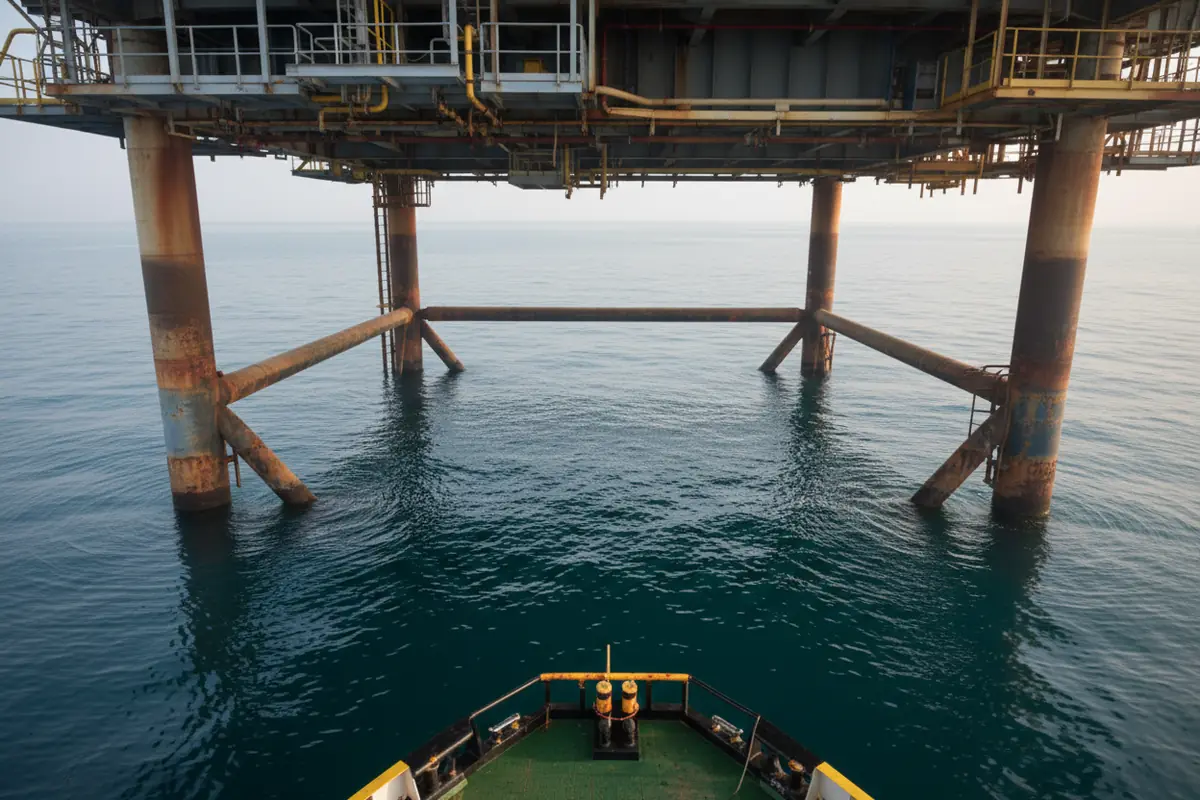
The Outer Continental Shelf Lands Act, often called OCSLA, extends that system to many offshore workers. Under 43 U.S.C. § 1333(b), for "disability or death of an employee resulting from any injury occurring as the result of operations conducted on the outer Continental Shelf for the purpose of exploring for, developing, removing, or transporting by pipeline the natural resources, or involving rights to the natural resources, of the subsoil and seabed of the outer Continental Shelf, compensation shall be payable under the provisions of the Longshore and Harbor Workers' Compensation Act." The Longshore Act is a federal workers' compensation law.
Not everyone on the shelf qualifies. If you were a vessel's master or crew member, or worked for a government, this extension does not reach you: "the term 'employee' does not include a master or member of a crew of any vessel, or an officer or employee of the United States or any agency thereof or of any State or foreign government, or of any political subdivision thereof." The statute defines "employer" as "an employer any of whose employees are employed in such operations," and says the "United States," used in a geographic sense, "includes the outer Continental Shelf and artificial islands and fixed structures thereon."
The line between a fixed structure and a vessel is not always obvious. Someone in this position may want to think through what they were assigned to, who directed the work, and whether the job tied them to a vessel or a structure, points an attorney can help sort out.