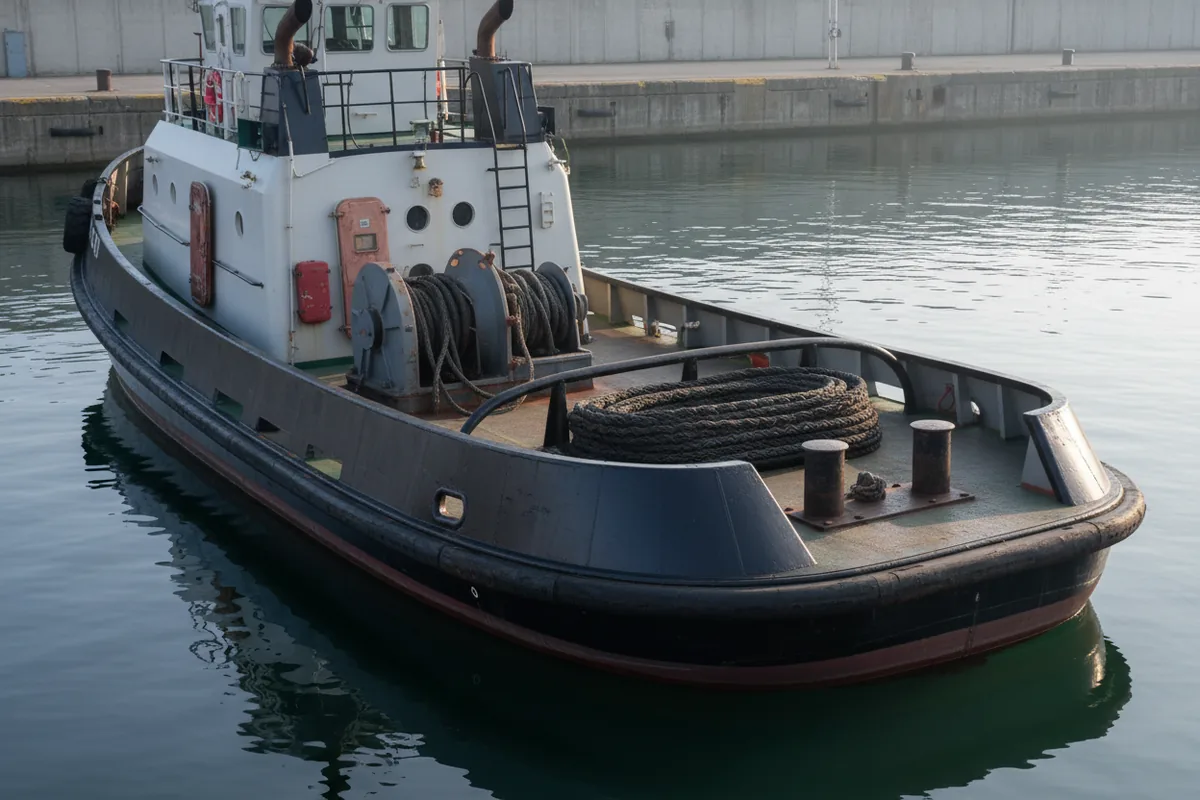
When a Coast Guard Report Must Be Filed After a Crew Injury
Certain injuries on a towing vessel must be reported to the Coast Guard. Under 46 C.F.R. § 4.05-1(a), immediately after addressing resulting safety concerns, the owner, agent, master, operator or person in charge must notify the nearest Coast Guard unit when a covered vessel is involved in a marine casualty, an accident the regulations define broadly. The triggers include a loss of life, and an injury that requires professional medical treatment (treatment beyond first aid) and, for a person employed on board a vessel in commercial service, that renders the person unfit to perform routine duties. Other triggers include groundings, bridge strikes, a loss of propulsion or steering, events affecting seaworthiness, and property damage over $75,000.
The definition in 46 C.F.R. § 4.03-1 names "any fall overboard, injury, or loss of life of any person" as one such event. A written report follows: 46 C.F.R. § 4.05-10(a) requires it within 5 days on Form CG-2692, with addenda such as a personnel casualty form. Some exclusions exist; for example, 46 C.F.R. § 4.01-3 excludes certain injuries to shipyard or harbor workers that fall under workplace safety reporting instead.
The most serious marine casualties may also draw the National Transportation Safety Board, which 49 U.S.C. § 1131(a)(1)(E) directs to investigate "a major marine casualty (except a casualty involving only public vessels)" on or under U.S. navigable waters, internal waters or territorial sea, or involving a vessel of the United States, under regulations it prescribes jointly with the head of the department in which the Coast Guard operates.
A casualty report is an official record of what was reported, not a legal finding of fault. Under 46 C.F.R. § 4.07-1(b), Coast Guard investigations aim at safety and are not intended to fix civil or criminal responsibility. For a family, knowing a report likely exists can help explain what officials were told and when.