
Skip to content
Sheet 59 / 64 · Guide

Preserving Records for Your Review After a Maritime Injury

Guide

National · Updated November 11, 2026

Free Case Evaluation
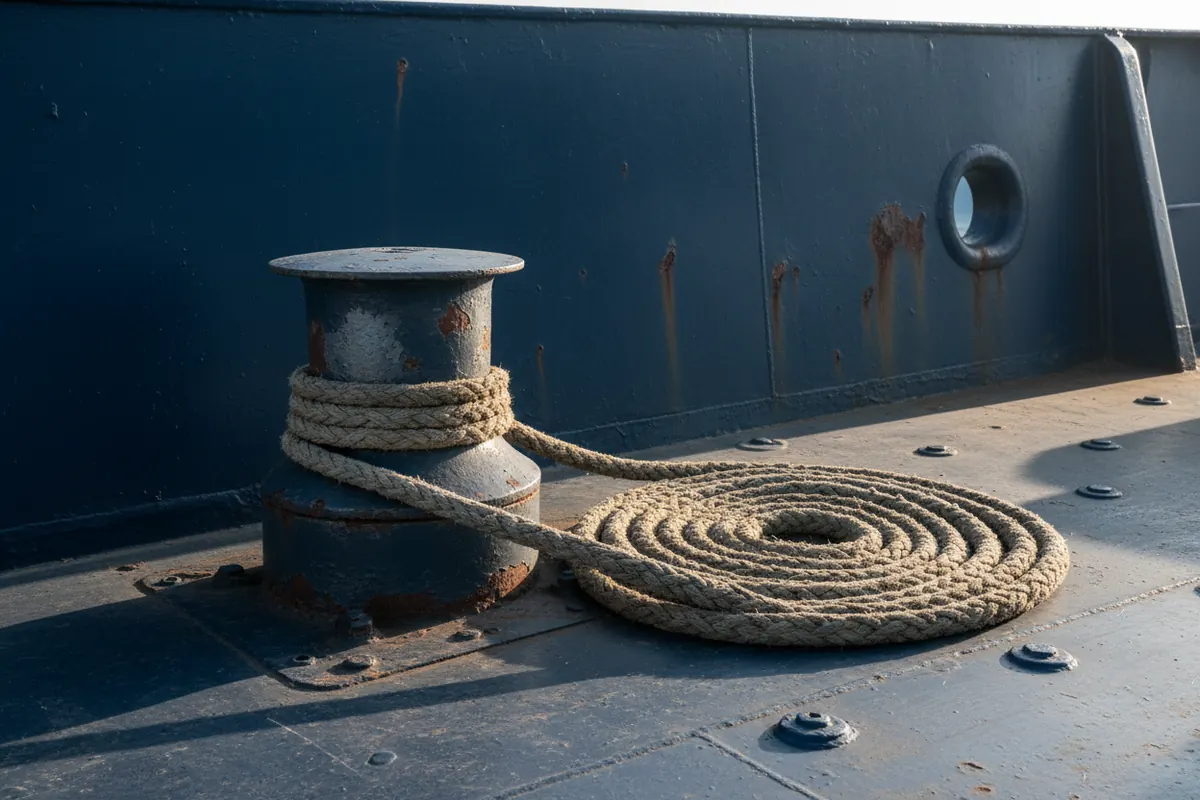
A weathered capstan and coiled line on deck, carefully documented after a maritime incident.
Immediate answer

How injured maritime workers keep photos, gear, pay records and witness names intact, what the Form CG-2692 casualty report is, and what 46 U.S.C. § 2114 protects.

On this page
  1. When You Are Hurt and Unsure What to Keep: What Preserving Records Means
  2. If the Vessel Filed a Report You Never Saw: The Marine Casualty Report Under 46 C.F.R. § 4.05-10(a)
  3. If You Are Worried About Your Job After Reporting an Injury
  4. Photographs, Physical Gear, and the Scene — What Injured Workers Often Keep
  5. When Paperwork Piles Up at Home: Keeping Pay Stubs, Bills, and Notes in One Place
  6. When the Crew Moves On: Writing Down Names While Memories Are Fresh
  7. When the Vessel Sails On: Why Equipment and Logs Change
  8. Questions Worth Asking Before Your Case Review
  9. Frequently asked questions
  10. Sources

After a maritime injury, preserving records means keeping what already exists safe and unchanged. That includes original photos with their dates, damaged personal gear left as it is, and one folder of pay stubs, agreements, bills and letters. It also includes the written names of crewmates and witnesses. It never means taking company property.

Most people facing this question are hurt, off the boat, and suddenly responsible for paperwork they never thought about. They may be a deckhand on a tug, a crew member on a fishing vessel, a worker on a barge, or a spouse sorting mail at the kitchen table while their partner recovers. They are worried about medical bills and missed trips, and they are not sure what evidence still exists. This page explains what injured maritime workers and their families often keep. It also covers two federal rules that bear on the records around an injury on the water.

When You Are Hurt and Unsure What to Keep: What Preserving Records Means

Record preservation means keeping evidence in the condition it was in when the injury happened. That evidence can be photographs, personal documents, written notes or physical gear, and it stays unedited, unrepaired and in one place. It covers what is lawfully yours or what you created. It does not cover anything that belongs to the vessel or the company.

The stakes are practical. The scene of an injury rarely stays the same for long, a point taken up in more detail later on this page. Personal records are often the part of the picture that stays steady while the rest changes.

Which law applies to a maritime injury depends on the facts. Those facts include where the injury happened, the vessel, the waters, and the injured person's status, such as whether they were a seaman, a longshore worker or someone else. Worker status matters a great deal. Not every offshore or maritime worker is a Jones Act seaman. A conversation with our attorney can help clarify which body of law may govern, and the records described below are usually part of that discussion.

If the Vessel Filed a Report You Never Saw: The Marine Casualty Report Under 46 C.F.R. § 4.05-10(a)

Federal regulations require a written report after certain incidents on the water. Under 46 C.F.R. § 4.05-10(a), "the owner, agent, master, operator, or person in charge must, within 5 days, file a written report of any marine casualty required to be reported under § 4.05-1." The regulation says this written report comes in addition to an immediate notice. It is delivered to a Coast Guard Sector Office or Marine Inspection Office. It is made on Form CG-2692, the Report of Marine Casualty, Commercial Diving Casualty, or OCS-Related Casualty, and it is supplemented as necessary by addendum forms.

A marine casualty report is the vessel side's written account of a reportable incident filed with the Coast Guard. The injured worker is not the one who files it. Its duty falls on the owner, agent, master, operator or person in charge. Whether a particular injury was a casualty that had to be reported depends on the facts and on the reporting rules that the written-report section refers to.

This matters because a document describing your injury may exist even if you never saw it. Knowing that the vessel side may have filed a CG-2692 helps an injured worker or family understand what official records could be part of the picture. Whether one was filed in a specific situation is one of the questions a consultation can address.

If You Are Worried About Your Job After Reporting an Injury

Fear of losing a job keeps some injured crew members quiet. Federal law speaks directly to that fear. Under 46 U.S.C. § 2114(a), "a person may not discharge or in any manner discriminate against a seaman" for any of several protected acts. One of them applies when "the seaman notified, or attempted to notify, the vessel owner or the Secretary of a work-related personal injury or work-related illness of a seaman."

In plain terms, a seaman who notifies, or attempts to notify, the vessel owner or the Secretary of a work-related personal injury or work-related illness of a seaman may not be fired or discriminated against for doing so. The same subsection lists other protected acts as well. These include reporting safety violations or sexual harassment or assault, refusing certain dangerous duties under stated conditions, testifying in safety proceedings, notifying or attempting to notify the vessel owner or the Secretary of a work-related personal injury or work-related illness of a seaman, cooperating with Coast Guard or National Transportation Safety Board investigations, furnishing information about marine casualties, and accurately reporting hours of duty.

The protection covers seamen. Whether a particular worker qualifies as a seaman depends on the facts of their employment and their connection to a vessel. A shipyard or dock worker may fall under a different framework. This page does not say whether or when anyone should notify an employer. It describes what the statute protects. Any written record of a notice, such as a text, an email or a dated note of a conversation, is the kind of thing families often keep with their other papers.

Photographs, Physical Gear, and the Scene — What Injured Workers Often Keep

Photographs are often the first record anyone makes. If you were hurt, the pictures that usually matter show the injury itself, the gear you were wearing or using, and the area where it happened. They are taken only when it is safe to do so and without interfering with vessel operations. A series taken over days or weeks can show how an injury changed during healing, something words describe poorly.

The original file matters as much as the image. A digital photo usually carries embedded information, sometimes called metadata, that records the date, time and the device that took it. Injured workers often keep the untouched originals and make copies for sharing or cropping, since an edited, filtered or re-saved copy can lose the information showing when the photo was taken.

Damaged personal gear tells its own story. A torn glove, a cracked boot sole, a split rain jacket or a broken personal tool is often kept exactly as it is, unwashed and unrepaired, in a bag or box. The item's condition may say something about how the injury happened, and a repair erases it.

Company equipment is a different matter. It belongs to the vessel or employer, and preserving it is handled through proper legal channels rather than by anyone removing it. A consultation can cover which personal items and photos may be worth keeping in a particular situation. Our page on vessel deck fall injuries shows how scene conditions can figure into one common kind of accident.

When Paperwork Piles Up at Home: Keeping Pay Stubs, Bills, and Notes in One Place

One folder, either paper or a single digital location, is what many families end up relying on. Here is what usually goes into it, and the role each item tends to play.

Pay stubs come first. Those from before the injury show what regular work looked like, including trips, shifts and earnings. Lost work is easier to describe with the employer's own pay records.

The crew agreement or fishing agreement is a written contract that sets out the terms of the job. It can show who the employer was, which vessel was involved and how pay was figured, all facts that bear on worker status.

Medical bills and visit summaries usually come next. Together they trace the order of treatment, where it happened and what it was for.

Letters from the employer, the vessel owner or an insurer belong in the folder, along with their envelopes or emails. The date someone wrote can matter as much as what they said.

Claim numbers and reference numbers are often written on the front of the folder, where one number can connect a scattered set of calls and letters.

Dated notes about what happened, who was present and later conversations round out the folder. A note written the same week tends to be clearer than a memory months later.

For which specific records tend to matter in a maritime review, see our guide to documents to gather before a review.

When the Crew Moves On: Writing Down Names While Memories Are Fresh

Crews change. People rotate off a hitch, take a berth on another boat, or head home after a season. The deckhand who saw a line part or a hatch give way may be hard to reach later.

For that reason, injured workers and their families often write down a list soon after an injury. It typically includes each crewmate's or witness's name, their job aboard, and how they might be reached. It also notes what each person may have seen or heard, such as who was on watch, who helped afterward and who was nearby. Just as important, the note carries the date it was written, because a written account made close in time is usually more reliable than a recollection rebuilt months later.

This is a private record of who was there. It is not an interview. Preparing a list does not involve contacting anyone, asking questions or collecting statements. Which witnesses may matter in a specific situation, and how they might be approached properly, is something a conversation with our attorney can cover. That includes witnesses aboard a vessel whose crew has since moved on.

When the Vessel Sails On: Why Equipment and Logs Change

The records with the most technical detail usually belong to the vessel, not to the injured worker. They include navigation logs, engine logs, communications logs and maintenance records. Together they can show the vessel's position, speed, machinery condition and radio traffic around the time of an injury, along with the repair history of the equipment involved.

Vessels return to service and sail on. The deck where a fall happened, or the winch that failed, may look different within days. Many vessel records are electronic and are kept on a cycle: newer entries replace older ones, and how long any record lasts depends on the vessel, the system and the operator's practice. Maintenance work done after an incident can also change what a piece of equipment shows.

The gap between an injury and any formal proceeding can be long. Weeks of treatment, time off the water and uncertainty about what comes next are common. Records that exist today may not exist in the same form later. Families often find this the hardest part, because the most technical evidence is the part they cannot hold onto themselves.

Pursuing vessel records happens through proper legal channels, not through an injured worker asking the company for its logs. If you want to talk through which vessel records may matter after an injury involving maritime equipment failures, you can request a case evaluation and discuss the logs and reports that may be relevant.

Questions Worth Asking Before Your Case Review

A case review conversation goes more smoothly when the person can describe what exists and what may have changed. These questions draw on the categories above. They are meant for reflection, not as tasks.

  • Do I have photographs of the injury, my gear or the area, and are the original files still on my phone or camera?
  • Is damaged personal gear still in the condition it was in after the injury?
  • Do I have recent pay stubs, and do I have a copy of my crew agreement or fishing agreement?
  • Where are my medical bills, letters and claim numbers, and are they in one place?
  • Did I write down the names of crewmates and witnesses, and when?
  • Did I notify, or try to notify, the vessel owner of the injury, and is there any record of that?
  • Do I know whether a Coast Guard report may have been filed?
  • What about the vessel or equipment may have changed since the injury?

Not having an answer to some of these is common. A gap is simply part of what gets discussed. Our page on preparing for your first consultation describes how a first conversation is usually organized. Our list of questions to ask an attorney covers the other side of that conversation.

Free case evaluation

No Fee Unless We Win Your Case

A free case evaluation is how it starts. Tell us what happened, and we’ll help you understand your options. You pay no fee unless we win your case.

Maritime Injury Law Center

How it works

  1. Call us or request a free case evaluationTell us what happened, in your own words.
  2. Talk through your caseYour options, and what your case may be worth.
  3. No fee unless we winYou pay no attorney fee unless we win your case.
Free case evaluation

Tell Us What Happened

Frequently asked questions

What records matter most after a maritime injury?

The ones hardest to recreate usually matter most: original photos with intact dates, damaged gear left unrepaired, and a dated list of who was there. Pay stubs, the crew or fishing agreement, medical bills, letters and claim numbers fill in the rest. Their value often comes from being kept together and unaltered.

Does a vessel owner have to file a report after a maritime injury?

For a reportable marine casualty, yes. Under 46 C.F.R. § 4.05-10(a), the owner, agent, master, operator or person in charge must file a written report on Form CG-2692 within 5 days, in addition to an immediate notice. Whether a given injury counts as a reportable casualty depends on the facts.

Can a seaman be fired for reporting a work injury?

Federal law says no. Under 46 U.S.C. § 2114(a), a person may not discharge or in any manner discriminate against a seaman for notifying, or attempting to notify, the vessel owner of a work-related injury or illness. The protection depends on the worker being a seaman, which turns on the facts of the job and vessel.

How long do vessel logs and electronic records last?

There is no single answer. Retention depends on the vessel, the system and the type of record, and electronic logs are commonly overwritten as new entries replace old ones. Which records may still exist, and how they might be pursued through proper legal channels, can be part of a consultation.

What is a crew agreement and why does it matter after an injury?

It is the written agreement setting out the terms of a worker's job aboard a vessel. On fishing boats it is often called a fishing agreement. It can name the employer, the vessel and how pay is figured, which bears on worker status and on which law may apply.

Does it matter whether the injury happened on navigable waters?

Location is one of several facts that matter. Which law applies depends on where the injury happened, the vessel, the waters and the injured person's status. No single fact settles it, which is why the same kind of injury can be treated differently from one situation to the next.

What is the Jones Act?

It is the federal statute at 46 U.S.C. § 30104. It lets a seaman injured in the course of employment, or the personal representative if the seaman dies, bring a civil action with a jury trial against the employer, applying the laws for railway employee injuries. Seaman status is fact-specific, and certain aquaculture workers are excluded.

Sources

  1. 0146 C.F.R. § 4.05-10 — Written report of marine casualty (eCFR) · Electronic Code of Federal Regulations
  2. 0246 U.S.C. § 2114 — Protection of seamen against discrimination (govinfo.gov) · GovInfo (U.S. Government Publishing Office)
  3. 0346 U.S.C. § 30104 — Personal injury to or death of seamen (govinfo.gov) · GovInfo (U.S. Government Publishing Office)